The Most Common Causes of Achilles Tears (and How to Prevent Them)

The Achilles tendon is one of the most powerful and essential structures in the body. It connects your calf muscles to your heel bone, allowing you to run, jump, and push off the ground. But because it’s under so much stress, it’s also one of the most frequently injured tendons in sport.
An Achilles tear can happen suddenly during a sprint, a jump, or even while playing a recreational game on the weekend. Yet in most cases, it’s not a random event. It’s the result of gradual strain, mechanical imbalances, and training habits that go unchecked for too long.
At Elevate Rehabilitation in Oakville, we work with athletes and active individuals every week who are recovering from Achilles injuries. What we’ve learned is that prevention starts long before pain ever appears.
The Hidden Culprits Behind Achilles Tears
While a sudden “pop” might feel like bad luck, there are usually patterns that lead up to it. Some of the most common causes to look out for include:
1. Overtraining and Sudden Load Increases
Rapidly increasing your training intensity, mileage, or jumping volume puts the tendon under more stress than it can handle. The Achilles adapts slowly, and without proper load management, micro-tears can accumulate into a major rupture.
Be sure to pace yourself while increasing your exercise load. Jumps in intensity will vary person to person, however start smaller to reduce your risk of injury
2. Limited Ankle and Hip Mobility
When your ankle or hip lacks proper range of motion, other tissues like the Achilles pick up the slack. This often leads to compensations during running or jumping that overload the tendon over time.
Some ankle and hip mobilization exercises you can start including are:
Banded ankle mobilizations
Hip 90/90 rotations
Hip CARS
3. Weak Calves and Imbalanced Strength
The calf complex (gastrocnemius and soleus) is the engine behind push-off power. When these muscles are weak or not trained through their full range, the Achilles tendon takes on extra stress to make up the difference.
Remember, don’t skip calves!
4. Poor Running and Jumping Mechanics
Improper landing patterns, excessive heel striking, or collapsing through the arch can all alter the forces travelling through the tendon. Mechanics matter, and small inefficiencies repeated thousands of times can add up.
5. Inadequate Recovery
Not giving your tissues enough time to recover can accelerate tendon fatigue and inflammation. After exercising, be sure to give your muscles the necessary amount of time and nutrients to recover. It’s typically recommended to give the muscle 48 hours of adequate rest to properly recover.
Be sure to listen to your body, signs like delayed onset muscle soreness (DOMS) is your body telling you that the muscle is tired and needs to rest.
Why Prevention Starts With Mechanics
Achilles injuries aren’t just a tissue problem, they’re a movement problem. That’s why one of the biggest focuses in our clinic is assessing how you move.
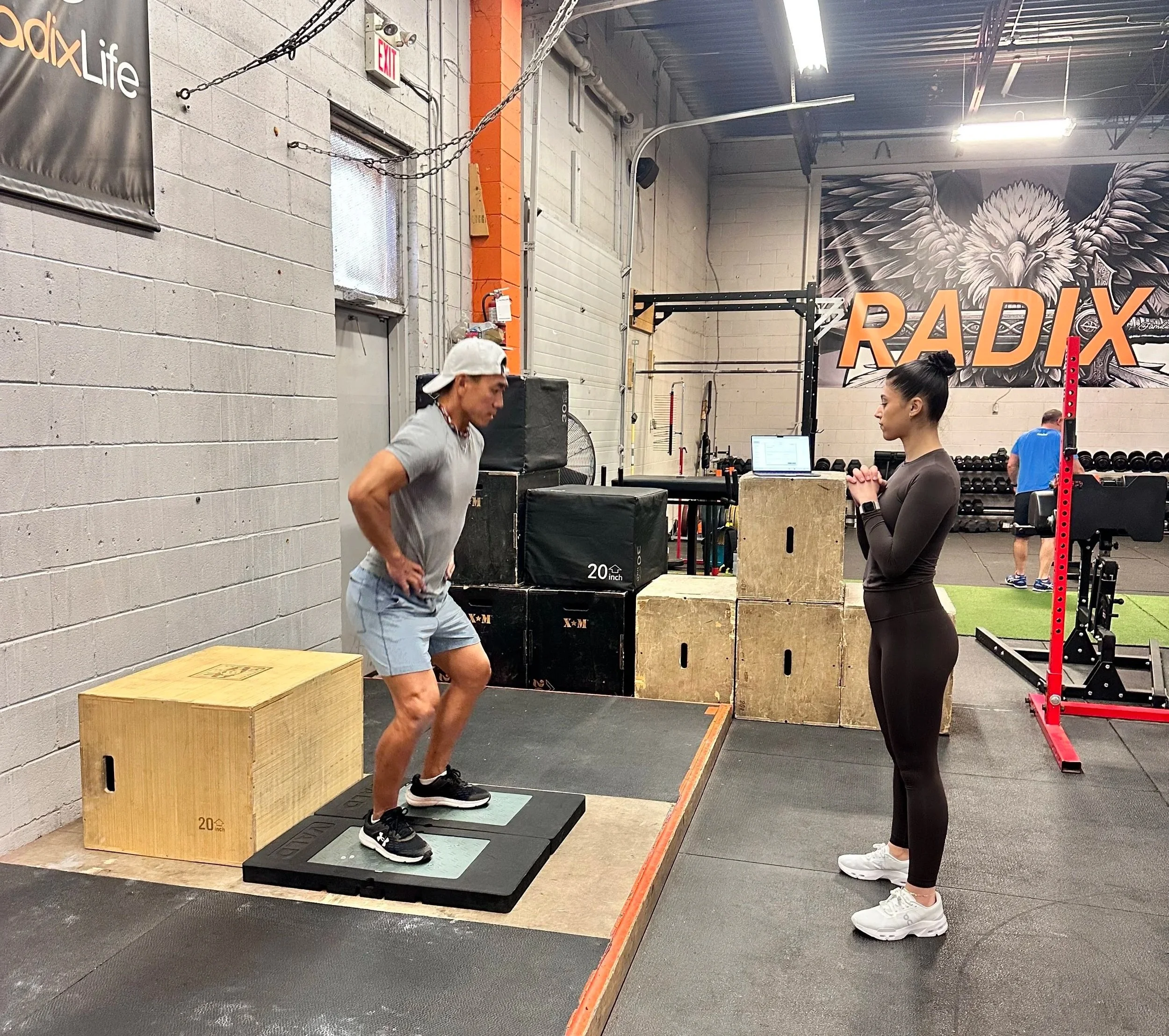
Using force plate technology and video-based movement analysis on the anti-gravity treadmill, we can objectively identify asymmetries, poor loading patterns, and timing issues that contribute to tendon overload. Once we know the “why” behind your pain or risk, we can tailor your program to build resilience where it’s needed most.
Improving your mechanics often means working from the ground up:
Restoring proper ankle mobility and foot control
Rebuilding calf and hamstring strength
Reinforcing hip stability for better force transfer
Teaching efficient landing and push-off mechanics
Strength Is the Best Form of Protection
A strong tendon is a protected tendon. Progressive strength training, especially eccentric calf loading (slow lowering under tension) has been shown to remodel tendon tissue and reduce injury risk.
Here’s what a well-rounded prevention program often includes:
Calf raises and soleus strengthening for load tolerance
Single-leg balance work to improve foot and ankle control
Hip and core strengthening to maintain alignment and control
Gradual plyometrics to retrain explosive power safely
At Elevate, we often combine these with manual therapy, soft tissue release, and joint mobility work to keep the kinetic chain functioning smoothly.
Listen to Early Warning Signs
Achilles injuries rarely appear out of nowhere. Pay attention to small warning signs like:
Morning stiffness or tightness in the calf
Tenderness just above the heel
Pain that worsens during or after activity
These are your early cues that your tendon is under stress. Addressing them early with rest, treatment, and movement corrections can prevent a full rupture.
How Elevate Helps You Stay Ahead of Injury
At Elevate Rehabilitation, our approach to Achilles health is proactive. Whether you’re a competitive athlete or weekend warrior, our team of physiotherapists, chiropractors, and athletic therapists work together to identify the cause, improve your mechanics, and build long-term resilience.
We also integrate force plate testing to provide real-time data on how your body loads each leg. This helps us track asymmetries, monitor progress, and make informed decisions about training and return to sport.
If you’ve had a history of Achilles pain or just want to stay ahead of injury, now’s the time to act, before it becomes something bigger.
Step Confidently Into Recovery
Your Achilles tendon doesn’t fail overnight. It’s often the result of small imbalances, overlooked recovery, and inefficient movement patterns that compound over time. The good news? With the right assessment, training, and recovery plan, you can stay strong, explosive, and injury-free.
If you’re dealing with recurring tightness, pain, or weakness around your Achilles, our team at Elevate Rehabilitation in Oakville can help you uncover the root cause and design a plan that keeps you performing your best.
📍 710 Dorval Dr Unit 520, Oakville, ON
📞 (289) 835-2949
💻 https://www.elevaterehabilitation.com/