Beyond the Headache: Understanding Concussions and the Recovery Process
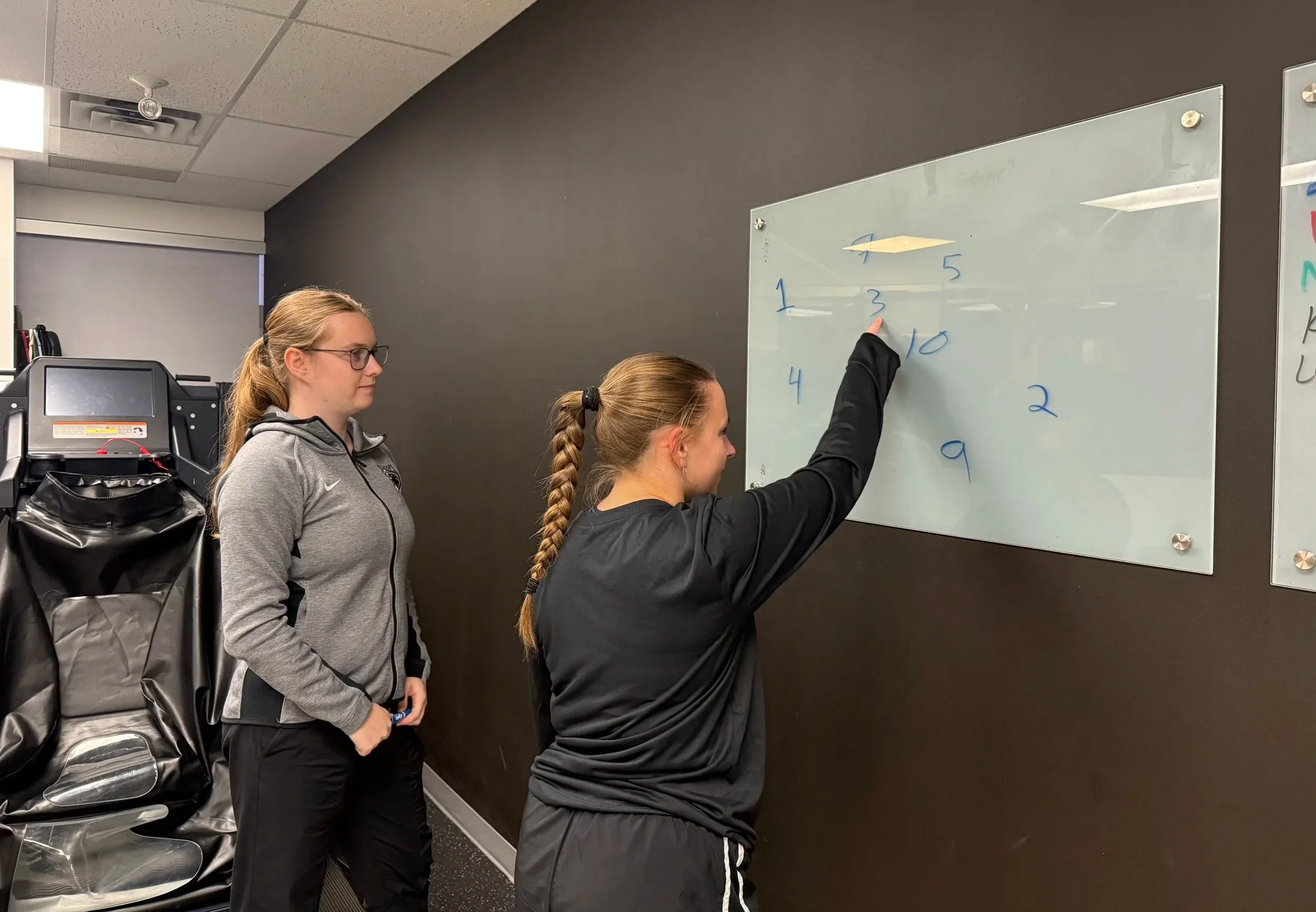
When most people think of a concussion, they picture a bad headache after a hit to the head. But a concussion is much more than that. It’s a complex injury that affects how the brain functions, not just how it feels.
One of the biggest risks in concussion recovery is getting back too soon. That decision can lead to lingering symptoms, another concussion, and in rare cases, more severe complications such as second impact syndrome.
At Elevate Rehabilitation in Oakville, we see concussions in athletes of all levels: from kids playing community soccer, to CrossFit athletes, to adults recovering from a fall or car accident. What we’ve learned is that no two concussions are the same, and recovery requires more than just rest.
What Exactly Is a Concussion?
A concussion is a mild traumatic brain injury (mTBI) that occurs when the brain moves rapidly inside the skull, usually from a direct blow to the head or a sudden jolt to the body. This movement causes chemical and structural changes in the brain that temporarily affect how nerve cells communicate.
Think of it like your brain’s “power grid” short-circuiting after a surge. The lights are still on, but things aren’t working efficiently. That’s why symptoms can affect thinking, balance, emotions, and physical performance all at once.
Common Symptoms of a Concussion
Concussion symptoms can appear immediately or develop over several hours. They also vary widely from person to person. Some of the most common include:
Headache or pressure in the head
Dizziness or balance issues
Blurred or double vision
Nausea or vomiting
Difficulty concentrating or remembering
Sensitivity to light or noise
Fatigue, irritability, or mood changes
Sleep disturbances
It’s important to remember: you don’t have to lose consciousness to have a concussion. Many people dismiss their symptoms because they didn’t “get knocked out,” but even mild impacts can cause significant disruption.
Why Rest Alone Isn’t Enough
For years, the standard advice after a concussion was simple: rest and wait. While rest is important in the first few days, prolonged inactivity can actually delay recovery.
After the initial rest period (usually 24–48 hours), research now supports a gradual return to light physical and cognitive activity. This helps stimulate brain recovery, improve blood flow, and reduce symptoms faster, as long as it’s guided by a professional who understands concussion management.
At Elevate Rehabilitation in Oakville, our practitioners use evidence-based return-to-play and return-to-learn protocols to make sure each stage of recovery is safe and individualized.
The Different Systems Affected by a Concussion
A concussion doesn’t just affect the brain, it affects how the entire body communicates and functions. Here are some of the systems that may be involved:
• Vestibular system (balance and spatial awareness): Concussions can cause dizziness or difficulty tracking movement. Vestibular rehab exercises help retrain your balance and coordination.
• Visual system: Problems with eye tracking, focus, or visual processing are common. This can cause headaches or fatigue during reading or screen time.
• Musculoskeletal system: Neck stiffness and whiplash-type injuries often accompany concussions, contributing to headaches and dizziness. Manual therapy and movement-based treatment can address these issues.
• Cognitive system: Many patients report brain fog or difficulty concentrating. Controlled cognitive stimulation and structured recovery plans help the brain re-engage safely.
This is why a multidisciplinary approach combining physiotherapy, chiropractic care, and athletic therapy is key to a full recovery. Each system plays a role in restoring normal function.
The Recovery Process: Step by Step
Recovery timelines vary, but the process generally includes several phases:
1. Initial rest and symptom stabilization (24–48 hours):
Limit screen time and high stimulation while keeping light activity (like walking) as tolerated.
2. Guided reactivation:
Begin light physical and cognitive activity under supervision. Monitor symptoms closely.
3. Targeted rehabilitation:
This is where personalized treatment begins. At Elevate, this can include:
Vestibular and visual rehab
Neck and upper spine treatment
Balance and coordination retraining
Graduated exercise programs
4. Return to play, work, or school:
Once symptoms resolve and objective testing confirms recovery, we reintroduce higher-intensity activity and sport-specific tasks.
The Hidden Cost of Returning Too Soon
One of the biggest risks in concussion recovery is returning to activity before the brain has fully healed. When this happens, the likelihood of prolonged or persistent concussion symptoms such as headaches, dizziness, or brain fog increases significantly. In some cases, these lingering effects develop into Post-Concussion Syndrome (PCS), a condition where symptoms persist for weeks, months, or even years after the initial injury.
Rushing back too early also raises the risk of sustaining another concussion before the first has resolved. This not only extends recovery time but can also lead to serious complications like second impact syndrome, where the brain experiences rapid swelling after a second injury.
That’s why we use effective screening and measurement tools during assessments to measure readiness rather than relying on “feeling fine.” Recovery is about restoring full function, not just removing symptoms.
How We Support Concussion Recovery at Elevate Rehabilitation
Our team at Elevate Rehabilitation in Oakville brings together physiotherapists, chiropractors, and athletic therapists to guide you through every stage of concussion recovery. Each practitioner plays a unique role in helping you return safely and confidently to sport or daily life.
Meet Hannah: our concussion expert at Elevate. Hannah has an extensive background in sport-related injury assessment, treatment, and return-to-play programming, making her an invaluable resource for athletes recovering from head injuries. But what truly sets her apart is her own journey. Having experienced multiple concussions growing up, Hannah understands firsthand how frustrating, confusing, and isolating recovery can feel.
That perspective drives her empathetic, athlete-centered approach. Hannah’s goal is to make sure every patient feels supported, informed, and empowered every step of the way.
Final Thoughts
A concussion is more than a headache, it’s a whole-body event that requires a thoughtful, structured recovery plan. With the right guidance, most people make a full recovery and return to the activities they love.
At Elevate Rehabilitation, we take pride in helping athletes, students, and everyday individuals navigate the concussion recovery process safely and effectively. If you or someone you know has suffered a head injury, don’t wait for symptoms to worsen.
📍 710 Dorval Dr Unit 520, Oakville, ON
📞 (289) 835-2949
💻 https://www.elevaterehabilitation.com/