
ACL Prevention for youth athletes: what every oakville parent should know
ACL tears in teenage athletes are at an all-time high - and most are preventable. Here’s what the research says, what the risk factors are, and what you can actually do about it.
If you have a teenager playing competitive soccer, hockey, basketball, or volleyball in Oakville, this post is for you. ACL injuries in young athletes - particularly female athletes between the ages of 13 and 18 - are occurring at rates that researchers describe as epidemic. And while no prevention program eliminates risk entirely, the evidence that we can dramatically reduce it is compelling and actionable.
As a physiotherapist who work with you and competitive athletes in Oakville, this is a conversation we find having with parents regularly.
Why Youth ACL Tears Are Increasing
Several factors have converged to make ACL injuries more common in young athletes than they were a generation ago. Year-round single-sport specialization means young athletes are accumulating more sport-specific load with less recovery and less cross-training variety. Early sport specialization before the neuromuscular system has matured creates a mismatch between the demands of the sport and athlete’s physical readiness.
For females athletes specifically, the ACL injury rate is 2-8 times higher than male athletes in the same sports. This disparity becomes pronounced around puberty and is driven by a combination of anatomical, hormonal, and biomechanics factors - not a difference in toughness or effort. It’s biology, and it’s important that coaches, parents, and athletes understand it.
The Numbers Parents Need To Know
An ACL tear in a teenager means, on average, 12 months off sport, surgery and a significant recovery, a 15-25% of re-tear within 5 years of return, and a meaningful long-term increase in osteoarthritis risk in the affected knee. This is not a minor injury. Prevention is worth significant investment. Read more about ACL return to sport time.
The Key Risk Factors
Landing and Cutting Mechanics:
The majority of ACL tears occur during non-contact events - landing from a jump, making a rapid direction change, or decelerating suddenly. Athletes who land with stiff knees, allow their knees to collapse inward (valgus collapse), or who are trunk-forward dominant during landing are at a significantly higher risk. These patterns are visible, measurable, and correctable with targeted training.
Quad Dominance and Hamstring Weakness:
Many young athletes - particularly females athletes - rely on their quadriceps during dynamic movements and have proportionally weak hamstrings. Since the hamstrings are one of the primary dynamic protectors of the ACL, this imbalance increases injury risk significantly. A hamstring-to-quad strength ratio below a certain threshold is one of the most well-established ACL risk factors.
Hip Abductor Weakness:
Weak glute medius muscles allow the knee to cave inward during cutting and landing - the valgus collapse pattern mentioned above. This is addressable through targeted hip strengthening, and is one of the most impactful modifiable risk factors for ACL injury in young athletes.
Training load and fatigue:
ACL injuries cluster at particular points in the season - early in the season when athletes are deconditioned, and late games when fatigue degrades movement quality. Athletes whose neuromuscular system is fatigued move differently and less safely. This is partly a fitness issue and partly a load management issue that coaches and parents can influence.
Female Sex and Pubertal Timing:
Females athletes experience hormonal fluctuations through the menstrual cycle that affect ligament laxity, and the anatomical changes of puberty - wider pelvis, increased Q angle - change lower limb mechanics in ways that increase ACL stress. These factors can’t be changed, but they can be compensated for through targeted neuromuscular training, which is exactly what structured prevention programs do.
Evidence-based prevention programs that actually work
This is the genuinely encouraging part. Several structured neuromuscular training programs have been rigorously studied and shown to reduce ACL injury rates by 50-80% in youth athletes. These are not theoretical - they’re being implemented by clubs and programs around the world with measurable results.
FIFA 11+:
Developed for soccer players, the FIFA 11+ is a 20 minute warm-up program that replaces the traditional pre-game jog and stretch with targeted running, strength, balance, and plyometric components. Multiple large-scale studies have demonstrated 30-50% reductions in overall injury rates and even larger reductions in ACL injuries specifically. It’s free, requires no equipment, and takes 20 minutes. Every youth soccer program in Oakville should be using it.
Sportsmetrics & PEP Program:
Originally developed for female basketball and soccer athletes, these programs focus specifically on landing mechanics, hamstring and hip strengthening, and plyometric training. Studies have shown injury rate reductions of 70-88% in female athletes who completed the program. These are typically run as 6-week pre-season training blocks.
Physiotherapy Movement Screening:
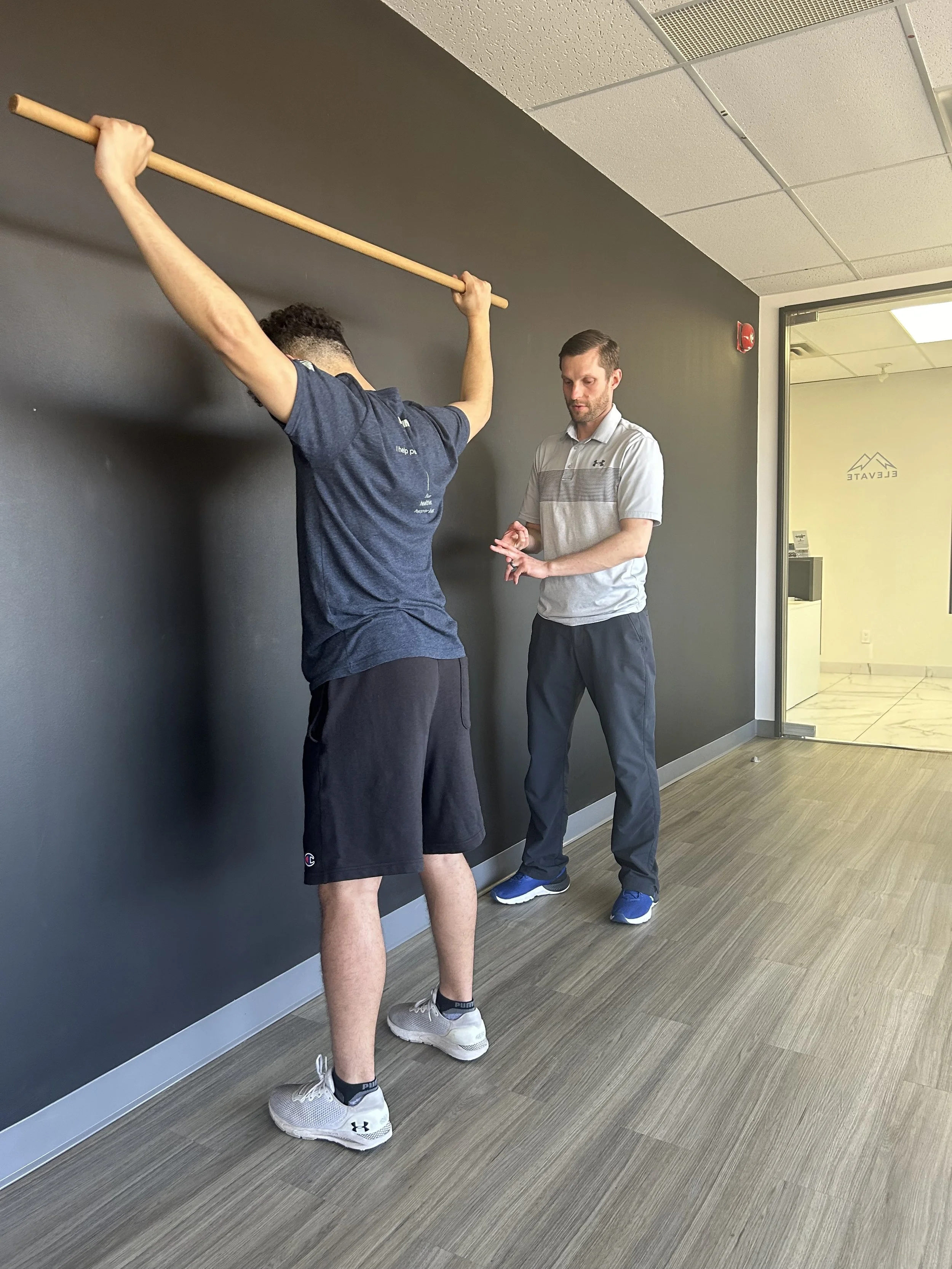
At Elevate, we offer movement screening for youth athletes that identifies individual risk factors - landing patterns, strength asymmetries, hip control deficits - and generates a personalized prevention program. This is particularly valuable for athletes who have already had one ACL injury or who are competing at a high level where the stakes of injury are significant.
What you can do as a parent right now
Ask your child’s coach about their warm-up protocol. If the answer is “we jog a couple laps and do some static stretches,” that’s an opportunity for a conversation about evidence-based alternatives like FIFA 11+.
Encourage strength training year-round. Youth athletes who do regular strength training - particularly hip and hamstring focused - have significantly lower injury rates. This doesn’t mean adult powerlifting. Bodyweight and band-based work is appropriate and effective from early teenage years onward. Read on to learn more about Elevate Rehab’s ACL Rehab program.
Monitor training load, especially in-season. Multi-sport athletes playing year-round without meaningful rest periods are at elevated risk. One to two months of organized sport rest per year is a genuine injury prevention strategy.
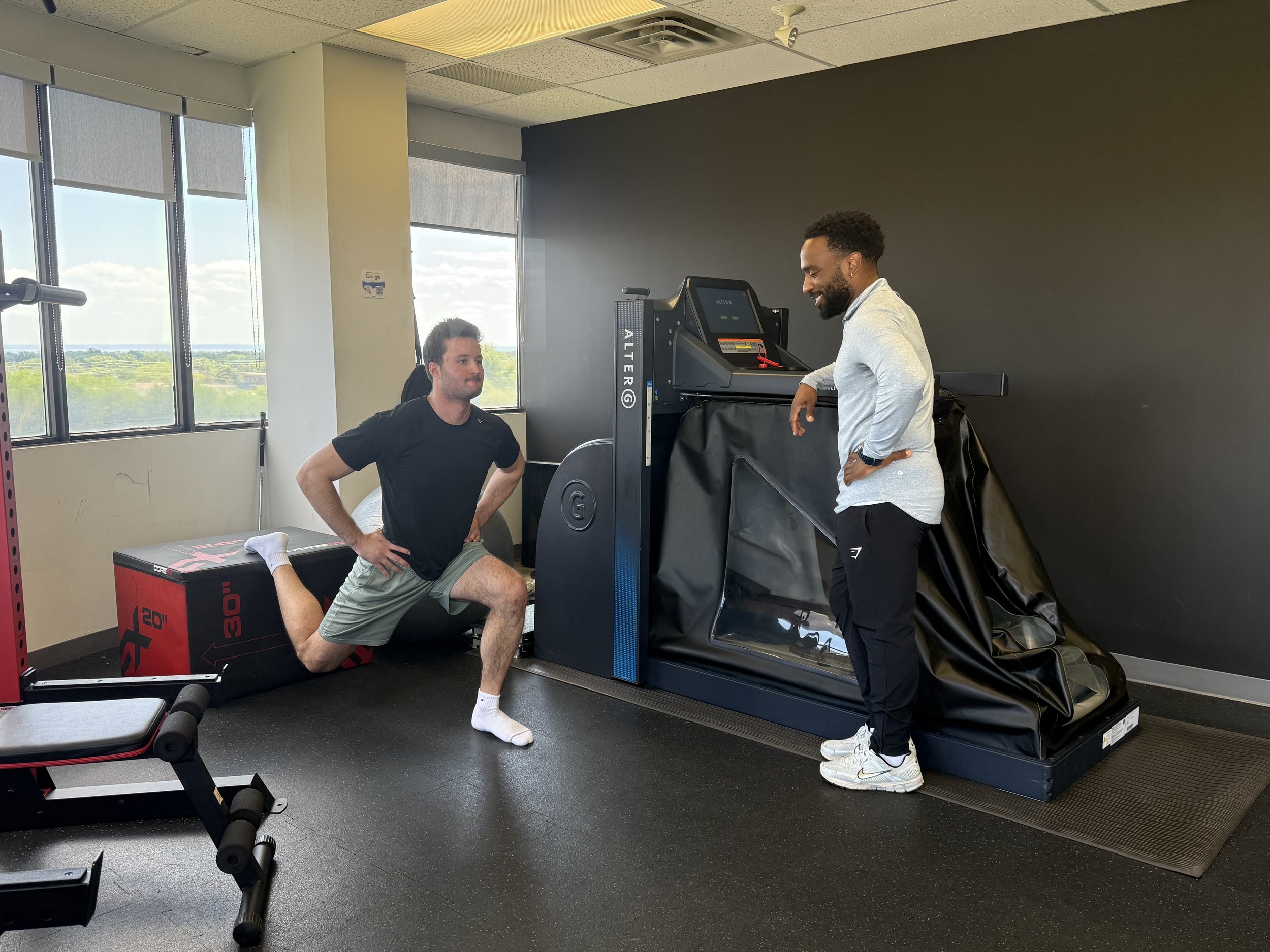
Consider a movement screening before the season. A 45 minute assessment at Elevate can identify whether your child has modifiable risk factors and give you and their coaching team a targeted plan to address them before an injury occurs.
if your child has already torn their acl
The second ACL tear rate in young athletes is alarmingly high - studies suggest up to 25% re-tear within 5 years of return to sport, with rates even higher in athletes who return before meeting full criteria. If your teenager has had an ACL reconstruction, the prevention work for the second injury begins the moment they return to sport. Don’t skip it.
ACL tears in young athletes are not inevitable. They’re largely preventable with the right training, appropriate load management and a healthcare team that takes injury prevention as seriously as injury treatment. At Elevate, both matter equally.
Or call us at (289) 835-2949
710 Dorval Drive #520, Oakville
