Who Should (and Shouldn’t) Use BFRT in Rehab
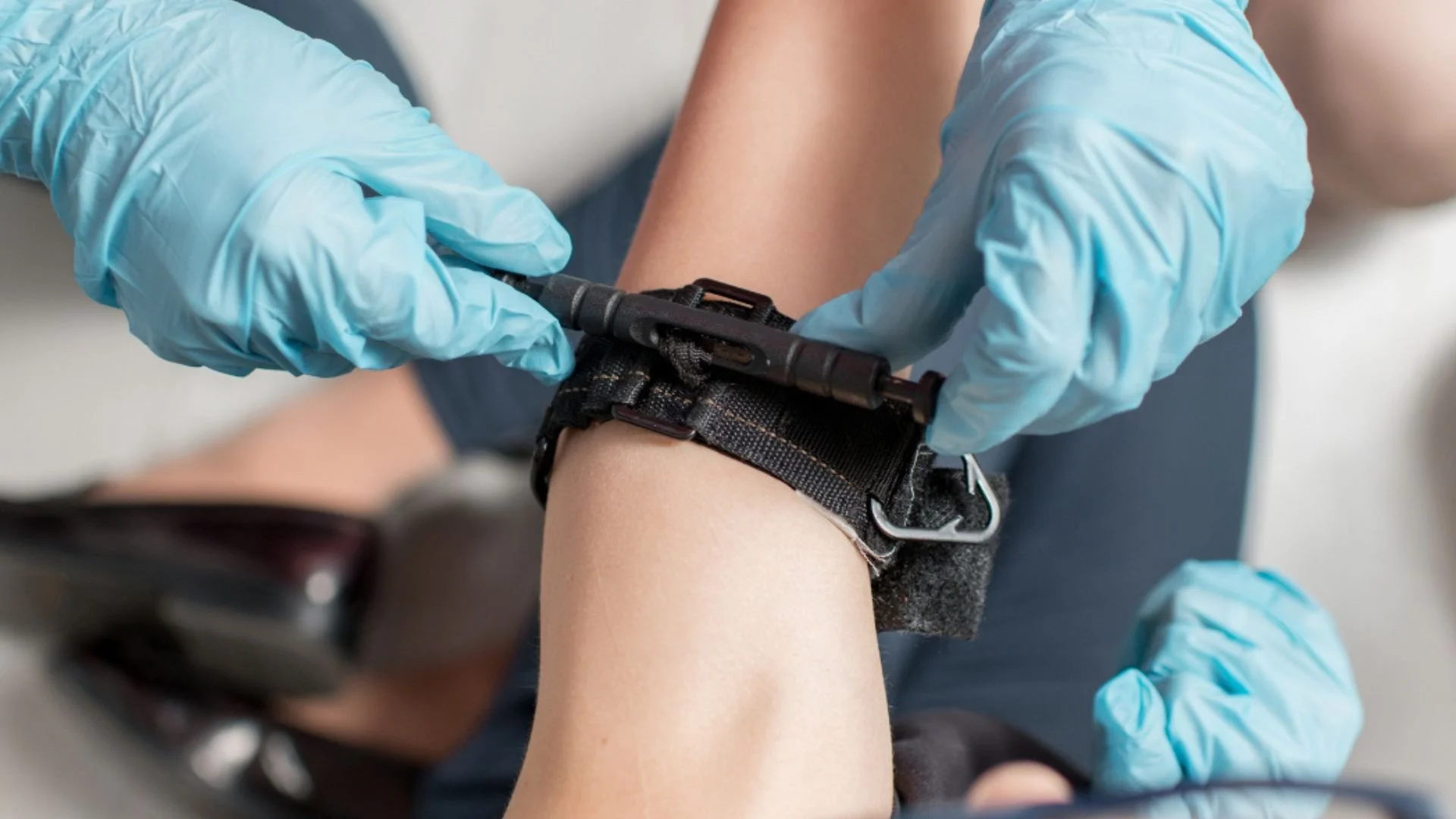
Blood Flow Restriction Therapy (BFRT) is becoming a powerful tool in rehab, especially for patients who want to build strength without heavy loads. But BFRT eligibility isn’t the same for everyone. Your medical history, injury type, and overall health all play a major role in determining whether this technique is safe and effective for your recovery.
Before starting BFRT, it’s essential to understand who can use it and who should avoid it—particularly if you have conditions like hypertension or clotting disorders. Working with a trained professional ensures the right screening, safe pressure levels, and a treatment plan tailored to your needs.

Who is BFRT Right For?
BFRT works best for specific patient groups who meet the safety criteria for blood flow restriction training. This technique helps post-surgical patients, injured individuals, athletes, and older adults with chronic conditions when used properly.
Ideal Candidates for BFRT Eligibility
You’re a good candidate for BFRT if you have controlled blood pressure, no history of clotting disorders, and a stable cardiovascular profile.
People with normal circulation respond well to this training method. Your doctor should clear you for exercise before starting BFRT.
Best candidates include:
Most adults with stable health
People with controlled blood pressure
Individuals without heart conditions
Those cleared for regular exercise
You need proper supervision from trained professionals. Your response to treatment gets monitored closely during sessions.
People who follow instructions well see better results. You must communicate any discomfort or unusual sensations immediately.
Post-Surgical and Injury Recovery Cases
BFRT helps you rebuild strength after surgery without heavy weights. You can start training sooner than with traditional methods.
Post-ACL surgery patients benefit significantly from BFRT protocols. Your quadriceps strength improves faster with blood flow restriction.
Common surgical cases using BFRT:
Knee surgeries (ACL, meniscus, total knee)
Shoulder repairs and replacements
Hip surgeries and replacements
Ankle and foot procedures
You'll use lighter resistance while achieving muscle growth. This reduces stress on healing tissues and surgical sites.
Recovery time often decreases with proper BFRT application. Your muscles maintain size and strength during restricted movement periods.
Athletes and Performance Enhancement
Athletes use BFRT to maintain fitness during injury recovery. You can train around injuries without losing significant strength.
Your training volume increases without additional joint stress. BFRT sessions supplement regular workouts effectively.
Athletic applications include:
Maintaining fitness during minor injuries
Adding training volume without fatigue
Enhancing muscle endurance
Speeding recovery between intense sessions
You'll experience muscle growth with shorter training sessions. This saves time while delivering results comparable to heavy lifting.
Competitive athletes integrate BFRT into periodized training programs. Your performance improvements continue without overtraining risks.
Benefits for Elderly or Chronic Conditions
Older adults gain strength safely with BFRT's low-impact approach. You can exercise without joint pain or excessive fatigue.
Your bone density may improve alongside muscle strength gains. BFRT addresses age-related muscle loss effectively.
Conditions that benefit:
Sarcopenia (muscle wasting)
Osteoporosis concerns
Arthritis limitations
Balance and mobility issues
You'll build functional strength for daily activities. Walking, climbing stairs, and lifting objects become easier.
Chronic pain conditions often improve with properly supervised BFRT protocols. Your movement quality increases while pain levels decrease.
The controlled environment reduces injury risk significantly. You progress at appropriate speeds with professional guidance.
Who is BFRT Not Right For?
While BFRT offers many benefits, certain medical conditions and factors make it unsafe for some people. Professional supervision remains essential for determining eligibility and ensuring proper application.
Who Should Not Use BFRT
You should avoid BFRT if you have certain serious health conditions. Blood-clotting disorders are considered major contraindications.
People with deep vein thrombosis or pulmonary embolism cannot safely use BFRT. The restricted blood flow could worsen existing clots.
Severe cardiovascular disease also rules out BFRT use. Your heart needs to handle the additional stress that comes with blood flow restriction.
Active infections in the limb where you'd apply the cuff make BFRT dangerous. The restriction could spread bacteria through your bloodstream.
Open wounds or fractures in the target area prevent safe cuff placement. You need intact skin and a stable bone structure for proper application.
Most clinicians avoid BFRT during pregnancy due to limited research and unknown risks.
Medical Conditions Requiring Caution
Several conditions don't completely rule out BFRT but require extra care. Uncontrolled high blood pressure needs management before starting BFRT. Your blood pressure should be below 140/90 mmHg consistently. Higher readings increase your risk of complications during restricted blood flow training.
Diabetes with poor circulation requires careful monitoring. You might not feel proper cuff pressure or notice skin problems developing.
Heart conditions like arrhythmias need medical clearance first. Your doctor must confirm your heart can handle the additional workload.
Previous blood clots don't automatically disqualify you, but they require thorough evaluation. Your healthcare team needs to assess your current clotting risk. Medications that affect blood clotting also need consideration. Blood thinners change how your body responds to restricted circulation.
Importance of Professional Supervision
You should never attempt BFRT without proper training or supervision. Licensed physiotherapists understand the correct pressure settings for your specific needs.
Cuff pressure determination requires specialized knowledge. Too little pressure won't work, while too much can cause serious injury.
Professional supervision ensures proper cuff placement and timing. These factors directly impact both safety and effectiveness of your treatment.
Your physiotherapist monitors your response during each session. They watch for warning signs like excessive pain, numbness, or skin color changes.
Equipment quality matters significantly for safe BFRT application. Professionals use calibrated, medical-grade cuffs designed specifically for this purpose.
They also know when to stop or modify your program based on your body's responses.
Safe BFRT Use in Oakville
Oakville clinics offering BFRT must follow strict safety protocols. Look for facilities with certified physiotherapists trained specifically in blood flow restriction techniques, like our team at Elevate Rehabilitation.
Your initial assessment should include a complete medical history review. The physiotherapist needs to know about all your medications and health conditions.
Proper documentation of each session helps track your progress and any concerning symptoms. This record-keeping supports your ongoing safety.
Quality Oakville clinics use Health Canada-approved BFRT equipment only. They maintain and calibrate this equipment regularly.
You should receive clear instructions about warning signs to watch for at home. Know when to contact your physiotherapist between sessions.
Emergency protocols should be clearly posted and understood by all staff members treating you.
Frequently Asked Questions About BFRT
Does BFRT help you lose weight?
BFRT isn’t designed for weight loss, but it can support your fitness goals by helping you build muscle and increase training volume with less joint stress. When combined with regular exercise and healthy habits, it can contribute to overall body composition improvements.
Does BFRT training increase testosterone?
BFRT may cause small, temporary hormonal changes after training, but it is not proven to significantly increase testosterone levels. Its main benefits come from muscle activation and strength gains—not hormone boosts.
What are the risks of blood flow restriction therapy?
When performed incorrectly, risks include excessive pressure, nerve irritation, numbness, skin changes, or reduced circulation. These risks are greatly reduced when BFRT is supervised by a trained physiotherapist using medical-grade cuffs.
Can BFRT cause blood clots?
Current research shows that BFRT does not increase clot risk in healthy, screened individuals. However, if you have a history of DVT, PE, or clotting disorders, you need a full eligibility assessment before treatment.
BFRT can be a safe and effective part of your rehabilitation when properly supervised and tailored to your health profile. Understanding who is—and isn’t—a good candidate helps ensure the best outcomes while minimizing risks. If you’re unsure whether BFRT is right for you, our team can assess your medical history, guide your eligibility, and create a safe treatment plan.
Book an appointment at Elevate Rehabilitation in Oakville today and find out whether BFRT is the right approach for your recovery.